Decorating a small space teaches you patience. You learn to look closely at what is happening in every corner. A room can feel calm and beautiful, yet still require thoughtful adjustments to make it truly livable. Following the recent events in Puerto Vallarta feels a bit like that. On the surface, life in this coastal city moves with its usual rhythm. But behind the scenes, there has been a serious security operation that has drawn national and international attention.
Puerto Vallarta has found itself linked to a broader wave of violence across Jalisco after a major law enforcement action. If you have seen headlines about roadblocks or alerts, here is a clear and grounded look at what has unfolded.
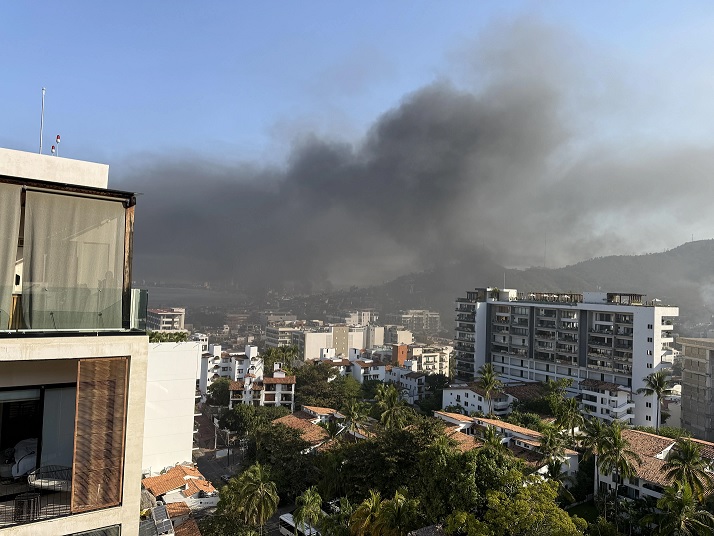
Puerto Vallarta and the Tapalpa Security Operation
The recent unrest began with what authorities described as a targeted federal and state action in Tapalpa, a town in southern Jalisco. The Tapalpa security operation Puerto Vallarta connection became clear when violence quickly spread beyond the initial area.
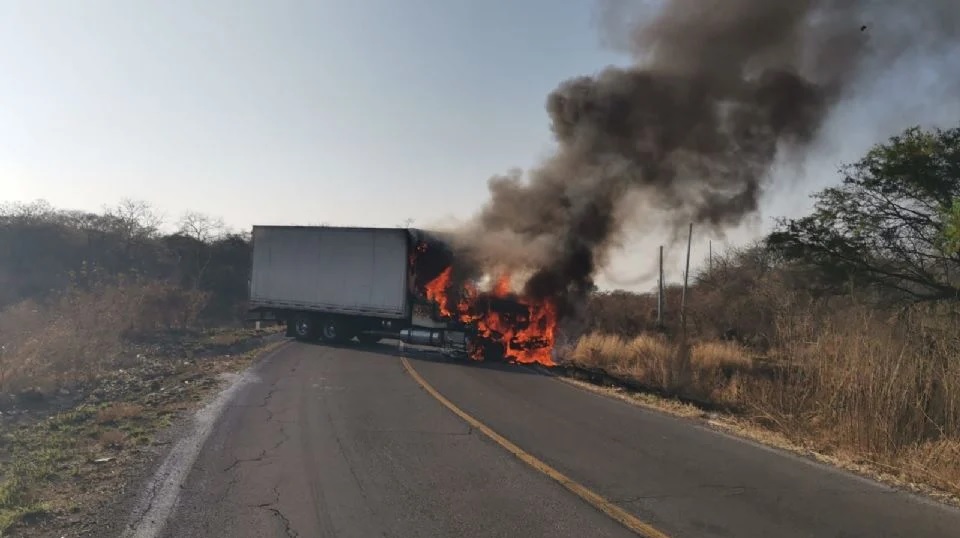
Shortly after the operation began, reports emerged of coordinated roadblocks and vehicle burnings across several municipalities. While Tapalpa was the starting point, Puerto Vallarta was named among the cities affected by related disruptions. Officials stated that these actions were intended to obstruct security forces and create pressure across the region.
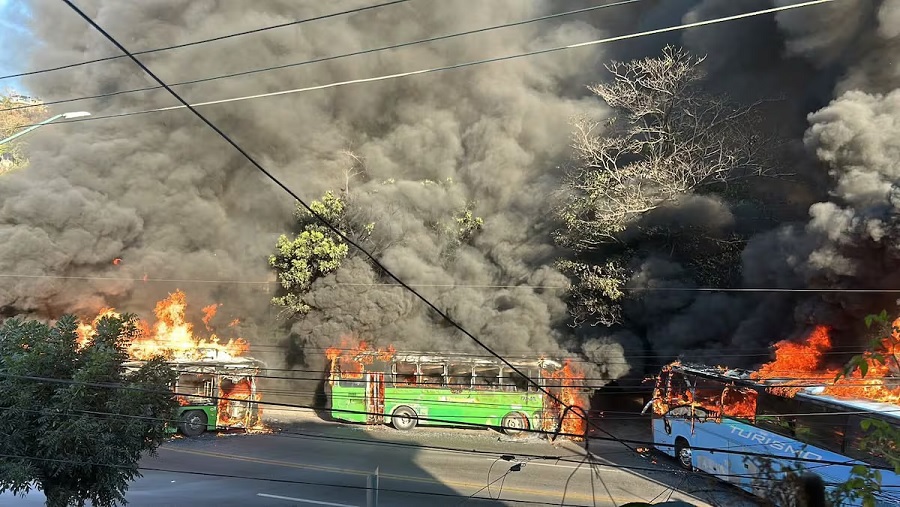
Jalisco Cartel Roadblocks in Puerto Vallarta
Searches for Jalisco cartel roadblocks in Puerto Vallarta rose sharply as images of blocked highways and burned vehicles circulated online. Local authorities confirmed that there were incidents involving barricades and arson in parts of the state, including key access routes connected to the coastal area.
Puerto Vallarta roadblocks and vehicle fires were reported as part of a coordinated response believed to be linked to CJNG violence Puerto Vallarta. Armed groups allegedly attempted to disrupt movement and create confusion. In practical terms, this meant temporary traffic closures and increased military and police presence.
For residents, the most visible change was the sudden shift in daily routines. Roads were cleared within hours, but the psychological impact of seeing smoke on major routes lingered.
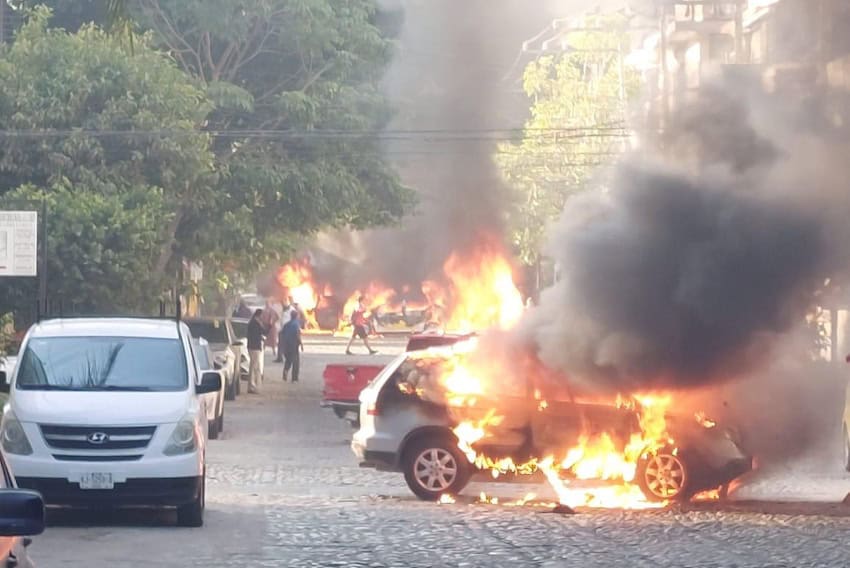
Puerto Vallarta Code Red Alert and Emergency Measures
As the situation escalated, the state government activated what became widely known as the Puerto Vallarta Code Red alert. This measure was designed to protect civilians and limit potential harm while authorities assessed the spread of violence.
Safety warnings Puerto Vallarta violence were shared through official channels, advising people to remain indoors and avoid highways. In some areas, officials moved to suspend public transport Puerto Vallarta as a precaution. Buses were paused temporarily to reduce exposure to potential road incidents.
These measures were not permanent, but they signaled the seriousness of the moment. For a city accustomed to welcoming both domestic and international visitors, the alert created a sharp contrast with its usual atmosphere.
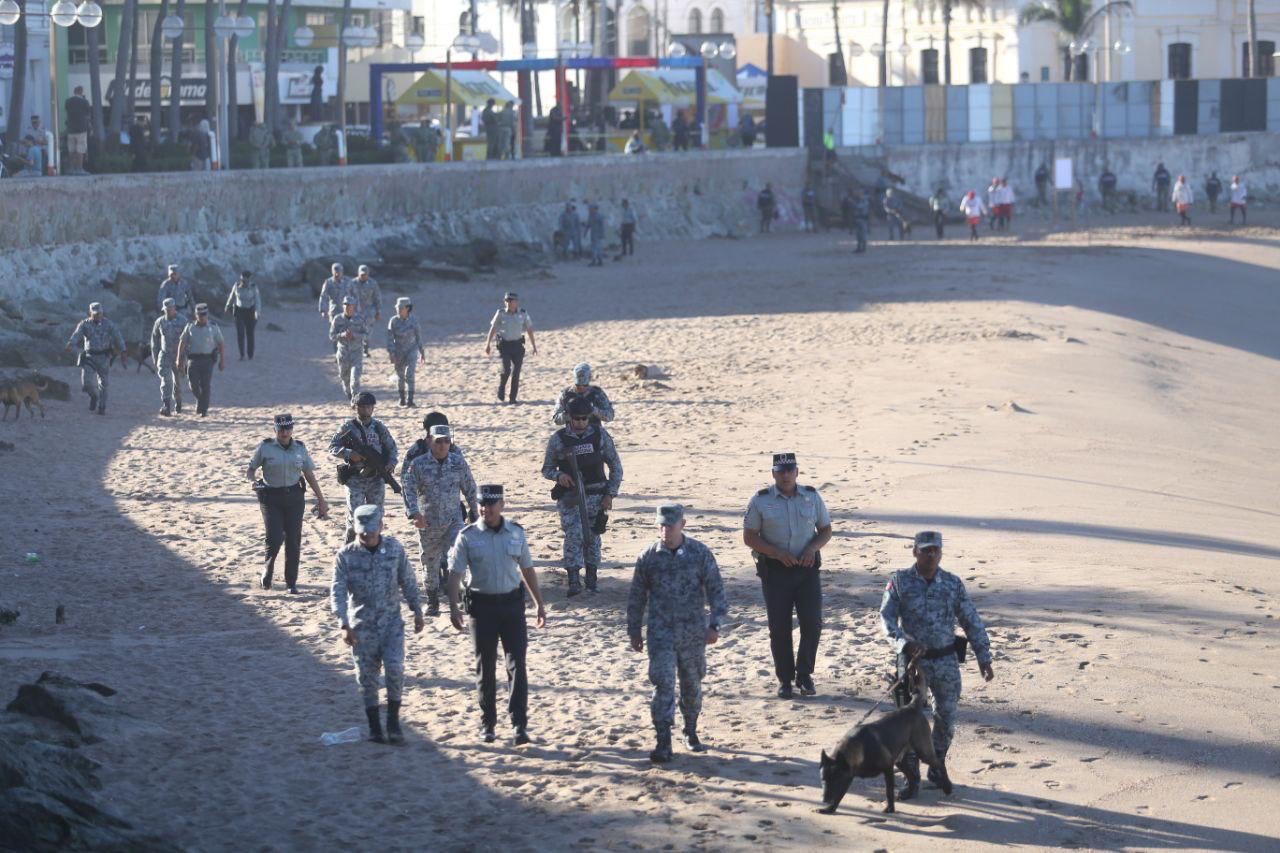
CJNG Violence Puerto Vallarta and Regional Impact
Much of the discussion has centered on the role of the Cártel de Jalisco Nueva Generación. CJNG violence Puerto Vallarta became a trending phrase as analysts connected the roadblocks to retaliation for the security operation.
Authorities reported that violent incidents were not limited to one city. Clashes and blockades were documented in multiple states, including Guanajuato and Michoacán. The pattern suggested a coordinated effort to stretch law enforcement resources.
In Puerto Vallarta, the events were disruptive but relatively contained compared to some inland areas. There were no prolonged urban battles reported in the city center. Still, the association with cartel retaliation placed the city in global headlines.

CJNG Influence in Puerto Vallarta Tourism and Business
Beyond the immediate roadblocks, there has been ongoing scrutiny of CJNG influence in Puerto Vallarta tourism. Prior investigations have examined alleged financial networks and fraudulent schemes tied to organized crime.
The Puerto Vallarta cartel fraud investigation has drawn attention to timeshare operations and resort related business structures. International authorities have also announced CJNG and Puerto Vallarta resort sanctions in recent months, targeting companies accused of laundering funds or participating in scams.
While these investigations are separate from the recent roadblocks, they add context. They suggest that the city is not only strategically important for transport routes, but also economically significant. That combination can increase its visibility during broader security crackdowns.

How Authorities Responded in Puerto Vallarta
In the hours following the initial unrest, federal and state security forces increased patrols across Puerto Vallarta. Helicopters were seen overhead in parts of Jalisco, and checkpoints were established along certain highways.
Officials emphasized coordination between municipal police, state authorities, and federal defense forces. Public statements focused on restoring order quickly and preventing harm to civilians. By the end of the first day, most reported roadblocks in the coastal region had been cleared.
The temporary decision to suspend public transport Puerto Vallarta was lifted once officials deemed routes secure. Schools and businesses resumed operations shortly after, though with heightened awareness.
The Broader Security Picture in Puerto Vallarta
When we talk about Puerto Vallarta in the context of security, it is important to separate short term disruptions from long term patterns. The recent events were intense but time limited. They were triggered by a specific law enforcement action and spread as a reaction.
Still, the presence of organized crime networks in Jalisco is not new. The region has long been considered a stronghold of CJNG. The combination of coastal access, tourism infrastructure, and economic activity makes Puerto Vallarta strategically relevant.
For international readers, it helps to view the situation as part of Mexico’s broader struggle between state forces and powerful criminal organizations. The roadblocks were a tactic. The Code Red alert was a response. Both reflect an ongoing tension that occasionally surfaces in visible ways.
What the Recent Events Mean Going Forward
In the days following the unrest, officials reported that calm had largely returned to Puerto Vallarta. Highways reopened. Public transportation resumed. The visible signs of conflict faded.
However, the headlines remain online. Searches for safety updates continue. For many observers abroad, the association between Puerto Vallarta and cartel activity has reshaped perceptions, at least temporarily.
Security analysts note that such flare ups often coincide with high value arrests or targeted operations. The Tapalpa security operation Puerto Vallarta link suggests that future crackdowns could produce similar reactions.
At the same time, authorities have signaled a commitment to maintaining a strong presence in the region. Increased coordination between federal and state agencies may shape the next chapter of enforcement efforts.
As with designing a small room, context matters. A single event can shift how a space feels, even if the structure remains the same. Puerto Vallarta continues to function as a major coastal city, yet it now carries the weight of this recent episode.
Watching how officials balance security, economic stability, and public reassurance will be key in the months ahead. For now, the city stands as a reminder that even places known for light and openness can experience moments of tension. Understanding those moments calmly and clearly is part of seeing the full picture.
Rode more : 2026 Winter Olympics Men’s Snowboarding Slopestyle Schedule, Results, and Host City Details
Top 10 Frequently Asked Questions About the Puerto Vallarta Security Operation
1. What caused the recent violence in Puerto Vallarta?
The violence was linked to a security operation in Tapalpa, Jalisco, which triggered retaliatory roadblocks and vehicle burnings attributed to CJNG.
2. What were the Jalisco cartel roadblocks in Puerto Vallarta?
They were coordinated blockades and vehicle fires intended to disrupt law enforcement and create regional instability.
3. What is the Puerto Vallarta Code Red alert?
It was an emergency measure activated by state authorities to protect civilians during the peak of the unrest.
4. Was public transport suspended in Puerto Vallarta?
Yes, officials temporarily moved to suspend public transport Puerto Vallarta as a safety precaution.
5. Were there injuries reported in Puerto Vallarta?
Most reports indicated that the city experienced disruptions and road closures, but large scale civilian casualties were not reported in the coastal zone.
6. What is CJNG violence Puerto Vallarta referring to?
It refers to alleged retaliatory actions by the Cártel de Jalisco Nueva Generación in response to law enforcement operations.
7. How does the Puerto Vallarta cartel fraud investigation relate to this?
The fraud investigation involves alleged financial crimes tied to cartel networks and highlights the city’s economic relevance.
8. What are CJNG and Puerto Vallarta resort sanctions?
These are sanctions imposed by international authorities targeting businesses allegedly linked to cartel financial activities.
9. Are the roadblocks still active in Puerto Vallarta?
Authorities reported that the roadblocks were cleared within a short period and normal movement resumed.
10. Is Puerto Vallarta currently under emergency alert?
As of the latest updates, the Code Red alert was lifted after authorities restored order.