Artificial Intelligence (AI) is transforming workplaces faster than ever, leaving many professionals wondering: “Will AI take my job?” While AI is automating certain tasks and reshaping industries, it doesn’t mean every job is at risk. Understanding which careers are vulnerable, which are more resistant to automation, and how to develop AI-proof skills is essential for long-term career success.
In this guide, you’ll discover the real impact of AI on employment, explore jobs that are less likely to be replaced by automation, and learn practical strategies to stay competitive in an AI-driven world. Whether you’re a student planning your future, an employee concerned about job security, or a professional looking to advance your career, these insights will help you prepare for the future of work.
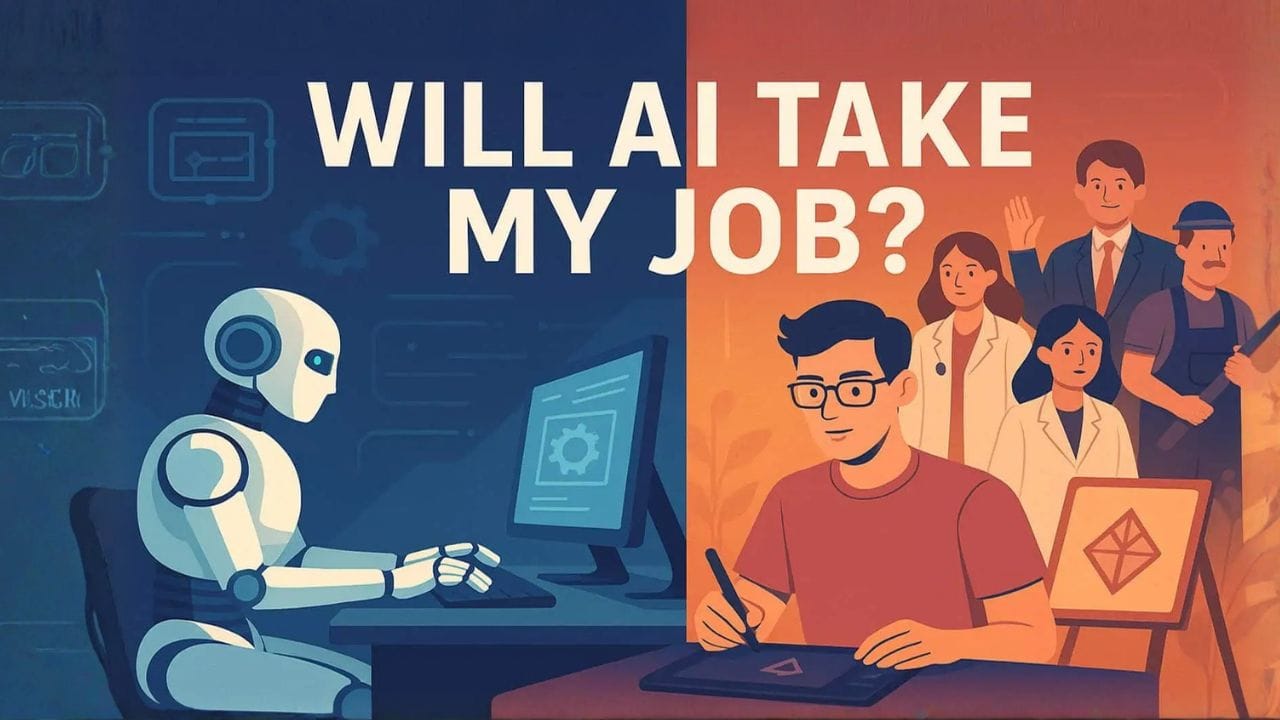
Will AI Take My Job? What You Actually Need to Know
Artificial Intelligence is changing how work gets done, but it is not replacing every job. AI is most likely to automate repetitive, predictable, and data-heavy tasks. Jobs that require creativity, leadership, emotional intelligence, complex decision-making, or hands-on work remain harder to replace.
High-Risk Jobs
- Data entry clerks
- Basic customer support agents
- Bookkeeping and routine accounting roles
- Simple administrative assistants
- Basic content production roles
Lower-Risk Jobs
- Healthcare professionals
- Skilled trades workers
- Teachers and trainers
- Managers and leaders
- Creative professionals
Key takeaway: AI is more likely to change your job than completely eliminate it. Workers who learn to use AI tools will often have an advantage over those who do not.
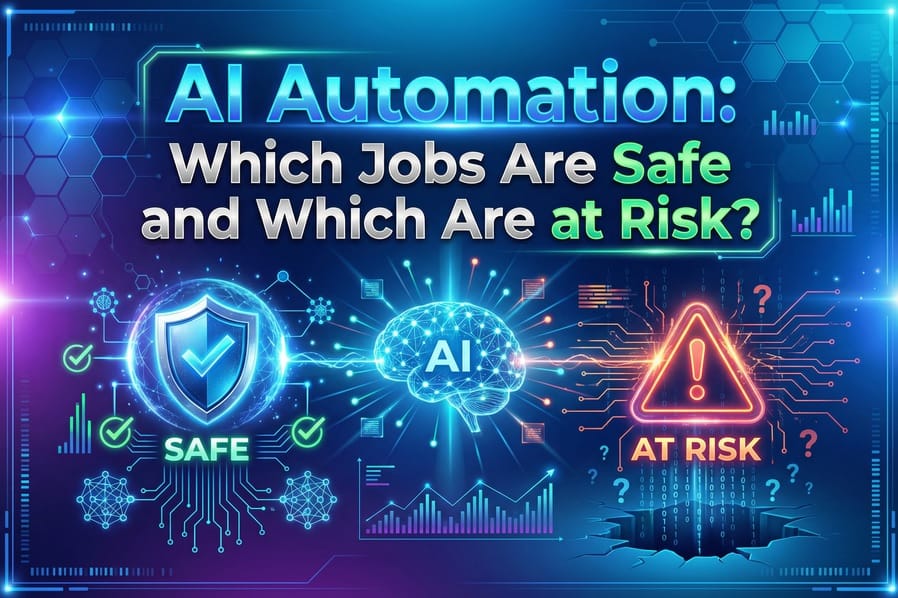
Which Jobs Are Actually Safe From AI Automation?
No job is 100% AI-proof, but some careers are far less vulnerable because they depend on human judgment, empathy, creativity, and physical presence.
Careers Most Resistant to AI
- Doctors, nurses, and therapists
- Electricians, plumbers, and mechanics
- Teachers and educators
- Psychologists and counselors
- Engineers and researchers
- Business leaders and entrepreneurs
- Skilled sales professionals
- Emergency responders
Why These Jobs Are Safer
- Require human interaction and trust
- Involve unpredictable situations
- Depend on critical thinking and problem-solving
- Need physical work in real-world environments
Key takeaway: The safest careers combine technical expertise with human skills that machines cannot easily replicate.
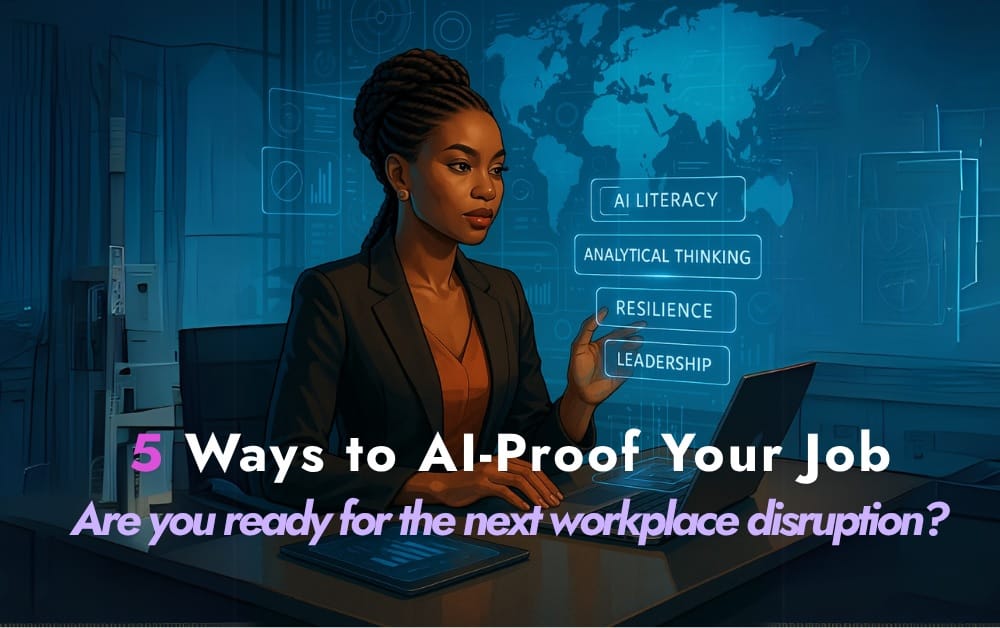
How to Make Yourself AI-Proof at Work
The best way to stay employable is to work alongside AI rather than compete against it.
Skills That Increase Job Security
- AI Literacy – Learn how AI tools work and use them effectively.
- Critical Thinking – Analyze information and make decisions.
- Communication Skills – Explain ideas clearly and work with others.
- Creativity – Generate new ideas, strategies, and solutions.
- Leadership – Manage teams and drive results.
- Adaptability – Learn new technologies quickly.
- Emotional Intelligence – Build relationships and understand people.
Practical Steps
- Learn AI tools relevant to your industry.
- Focus on solving business problems, not just performing tasks.
- Develop expertise in a specific field.
- Continuously upgrade your skills through training and certifications.
Key takeaway: People who can combine AI tools with human judgment, creativity, and communication will remain highly valuable in the future job market.